Full name: Taqi ad-Din Abu al-'Abbas Ahmad ibn 'Abd al-Halim ibn 'Abd as-Salam ibn Taymiyya al-Harrani al-Hanbali.
Birth and death: He was born on 10 Rabi' al-Awwal 661 AH (January 22, 1263) in Harran, and he passed away on 20 Dhu al-Qi'da 728 AH (September 26, 1328) in Damascus.
His place in the Ummah: He is known as Sheikh al-Islam, a title bestowed upon him by numerous scholars of his era and subsequent generations, in recognition of his immense knowledge and his devotion to the defense of the Sunna. He was a scholar, jurist, mujtahid, muhaddith, and Sunni theologian of the Hanbali school.
His origins and youth: He was born into a blessed family of Hanbali scholars. His grandfather Majd ad-Din and his father Shihab ad-Din were both recognized scholars. At the age of seven, his family emigrated to Damascus to flee the Mongol invasion. It was in this city that he grew up, immersed in an environment of knowledge and piety.
His education: He studied under more than two hundred scholars. Allah had endowed him with an exceptional memory and remarkable intelligence. At only 19 years old, he was already teaching Islamic sciences and had mastered the Quran, hadith, fiqh, theology, and the Arabic language. By the age of 17, he had already received authorization to issue fatwas.
His contributions to da'wa: Sheikh al-Islam devoted his life to defending the 'aqida of the Salaf as-Salih and combating the innovations (bid'a) that had spread within the Ummah. He refuted the errors of the philosophers, deviant sects, and those who corrupted tawhid through the cult of graves and seeking intercession from the dead. He vigorously defended the middle path of Ahl as-Sunna wa al-Jama'a on the questions of the Names and Attributes of Allah.
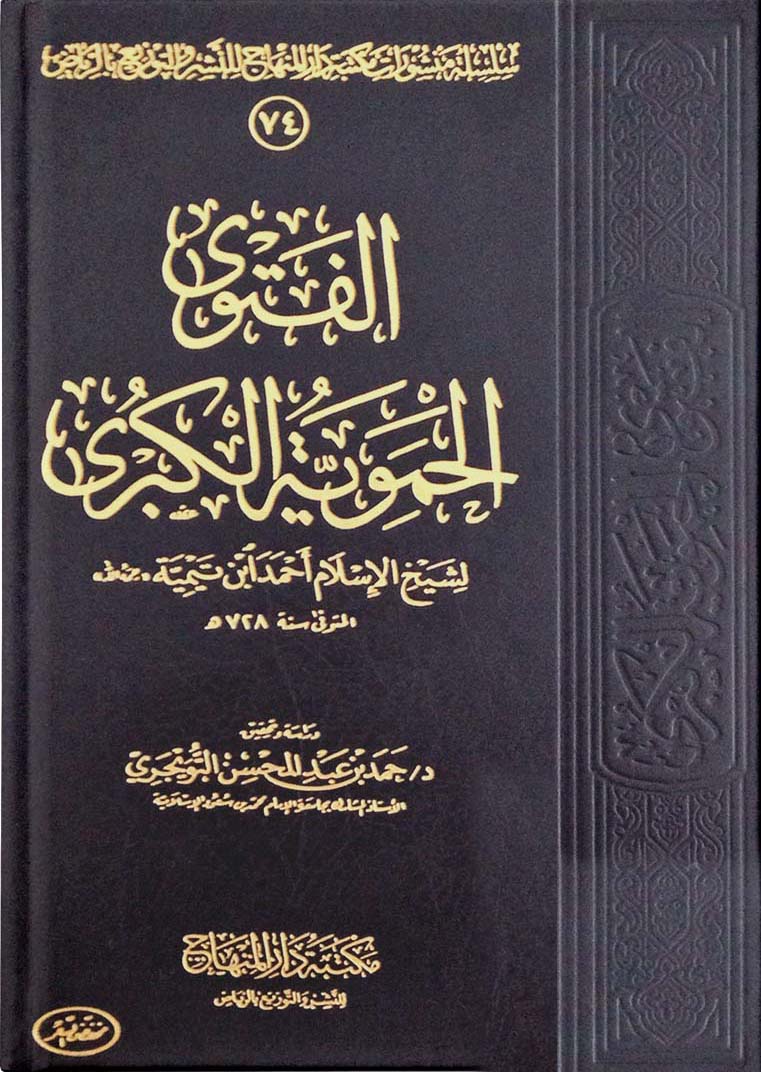
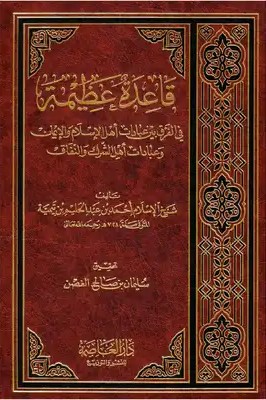
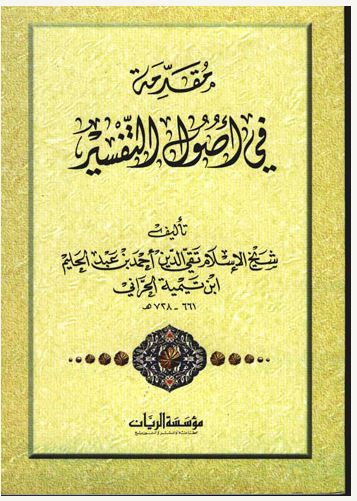
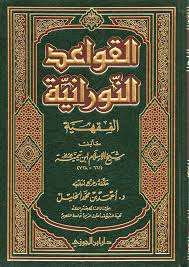
Among his major works: Minhaj as-Sunna an-Nabawiyya, Al-'Aqida al-Wasitiyya, Al-Furqan bayna Awliya' ar-Rahman wa Awliya' ash-Shaytan, and his famous Majmu' al-Fatawa. His student Ibn al-Qayyim al-Jawziyya (may Allah have mercy on him) catalogued approximately 350 works from his pen.
His jihad and courage: He was not content with theoretical knowledge alone but actively participated in the defense of the Muslims. He took part in the Battle of Shaqhab against the Tatars and issued a fatwa permitting fighters to break the fast of Ramadan to have the strength to fight, following the example of the Prophet ﷺ during the conquest of Mecca.
His trials: Like many scholars of truth, he was tested through imprisonment on several occasions because of his firm positions on 'aqida and his refusal to yield to the pressures of the authorities and certain scholars who opposed him. He endured these trials with exemplary patience (sabr) and continued to write and worship Allah in prison. He said (may Allah have mercy on him): "What can my enemies do to me? My paradise is in my heart, wherever I go it accompanies me. My imprisonment is a spiritual retreat, my exile is a journey, and my execution is martyrdom."
His worship: Ibn al-Qayyim reports that Ibn Taymiyya would sit after the Fajr prayer to make dhikr of Allah until nearly noon, then would say: "This is my morning meal; if I do not take it, my strength diminishes."
His death: He died in prison in Damascus on 20 Dhu al-Qi'da 728 AH. The people of Damascus held a grand funeral for him, attended by approximately 200,000 men and 15,000 women, may Allah have mercy on him and admit him into Firdaws al-A'la.
His legacy: His body of work remains an indispensable reference for anyone seeking to understand the authentic 'aqida of Ahl as-Sunna and the foundations of fiqh. His writings continue to illuminate hearts and guide Muslims toward the return to the Quran and the Sunna, in accordance with the understanding of the Salaf as-Salih.