Ahmad Ibn Hanbal
أحمد بن حنبل
About the author
Full name: Abu 'Abd Allah Ahmad ibn Muhammad ibn Hanbal ibn Hilal ash-Shaybani al-Marwazi.
Birth and death: He was born in 164 H (780) in Baghdad, and he died on Friday, August 2, 855 (12 Rabi' al-Awwal 241 H) in Baghdad. May Allah have mercy on him.
His place in the Umma: There are not sufficient words to describe the rank of this imam. Imam adh-Dhahabi described him as "the true imam, the proof of the religion, the master of hadith and the chief of the Sunna." Imam 'Ali ibn al-Madini — and what an immense statement — said: "Indeed, Allah supported this religion through two men, without a third: Abu Bakr during the wars of apostasy (ar-Ridda), and Ahmad ibn Hanbal during the Mihna." He is the imam of the fourth Sunni school of jurisprudence, the Hanbali school, and he is above all recognized as the imam of Ahl as-Sunna wa al-Jama'a, the one who stood alone when the entire Umma was being tested.
His origins: He belonged to the Arab tribe of Shayban through both his parents. His father died young, at the age of thirty, and his mother raised him in piety and poverty. SubhanAllah, it was from this modest household that Allah brought forth one of the greatest scholars of Islam.
His education: From the age of 15, he began the study of hadith. Seeking to learn from the greatest masters of his era, he traveled to Kufa, Basra, Mecca, the Hijaz, Medina, Yemen, and Syria. He studied fiqh under Imam ash-Shafi'i (may Allah have mercy on him) and under Qadi Abu Yusuf, the famous student of Imam Abu Hanifa. He heard hadith from Sufyan ibn 'Uyayna, Waki' ibn al-Jarrah, Yazid ibn Harun, 'Abd ar-Rahman ibn Mahdi, and hundreds of others. It is reported that he had memorized one million hadiths with their chains of transmission.
His rank in knowledge: Imam ash-Shafi'i said of his own student: "I left Baghdad and I left behind no one more pious, more scrupulous, more understanding in fiqh, and more knowledgeable than Ahmad ibn Hanbal." And he also said: "Ahmad is an imam in eight domains: hadith, fiqh, the Quran, the language, the Sunna, zuhd (asceticism), wara' (scrupulousness), and faqr (poverty)."
The Mihna — The supreme trial: This is the central event of his life and one of the greatest turning points in the history of the Umma. The Abbasid caliph al-Ma'mun imposed in 833 the belief in the createdness of the Quran, a Mu'tazilite doctrine that contradicted the orthodox position that the Quran is the uncreated Word of Allah. Scholars were summoned one by one and forced to accept this belief under penalty of imprisonment, torture, and death. Many yielded under pressure; some used ambiguities to protect themselves. But Imam Ahmad categorically refused.
Chained and sent to trial, he tirelessly repeated the same response: he would only yield if he were brought proof from the Quran or hadith. For nearly two and a half years, he was imprisoned and tortured. Witnesses report that even an elephant could not have endured what he suffered. But he never yielded, not even by a single word.
This heroic steadfastness preserved the 'aqida of Ahl as-Sunna. He bore on his shoulders the weight of truth when the entire Umma was wavering. The Mihna came to an end under Caliph al-Mutawakkil, who restored the belief in the uncreated Word of Allah and honored Imam Ahmad.
His 'aqida: Imam Ahmad was the champion of the way of the Salaf as-Salih in matters of the Names and Attributes of Allah. He affirmed the texts of the Quran and the Sunna concerning the divine Attributes according to their apparent meaning, without ta'wil (figurative interpretation), without tashbih (assimilation to creation), and without takyif (questioning the "how"), according to the formula "bila kayf." He firmly opposed kalam (speculative theology) and considered that superfluous speculation in matters of 'aqida was a blameworthy innovation.
His zuhd and worship: It is reported that he used to pray 300 units of supererogatory prayers every day, and after the weakening due to torture, he reduced this to 150. He lived on his modest income — seventeen dirhams per month from a property inherited from his father — with which he contented himself with patience and seeking Allah's reward. Sheikh 'Abd ar-Razzaq as-San'ani commented that he reminded him of the Companions and the pious of the early generations.
His works: Among his major works:
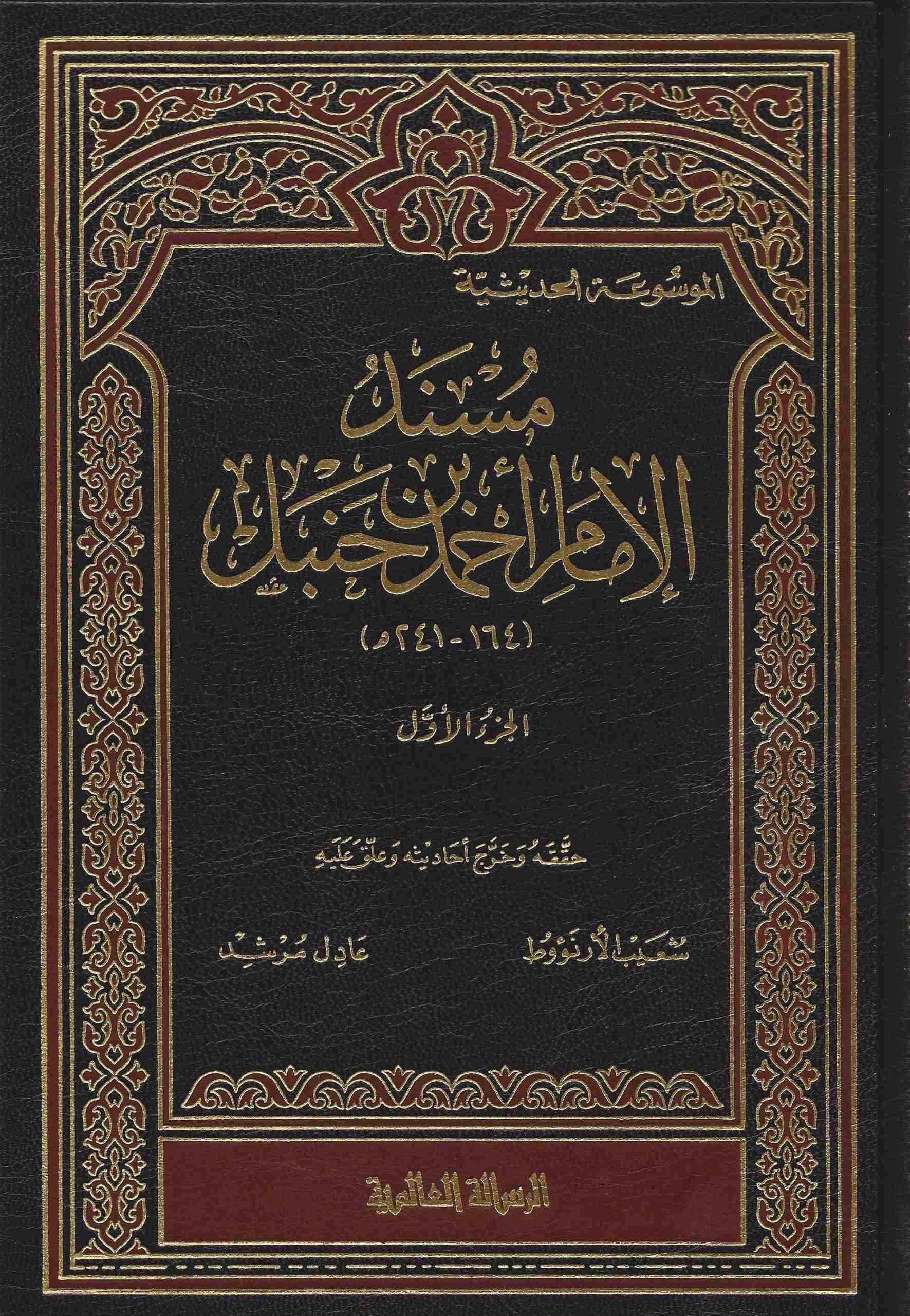
Al-Musnad — The greatest compilation of hadiths ever produced, containing more than 28,000 hadiths classified by the names of the Companion narrators. This monumental work exercised a considerable influence on the sciences of hadith and shaped the methodology later employed in Sahih al-Bukhari and Sahih Muslim.
Ar-Radd 'ala al-Jahmiyya wa az-Zanadiqa — His refutation of the Jahmites and the heretics, a foundational work in 'aqida.
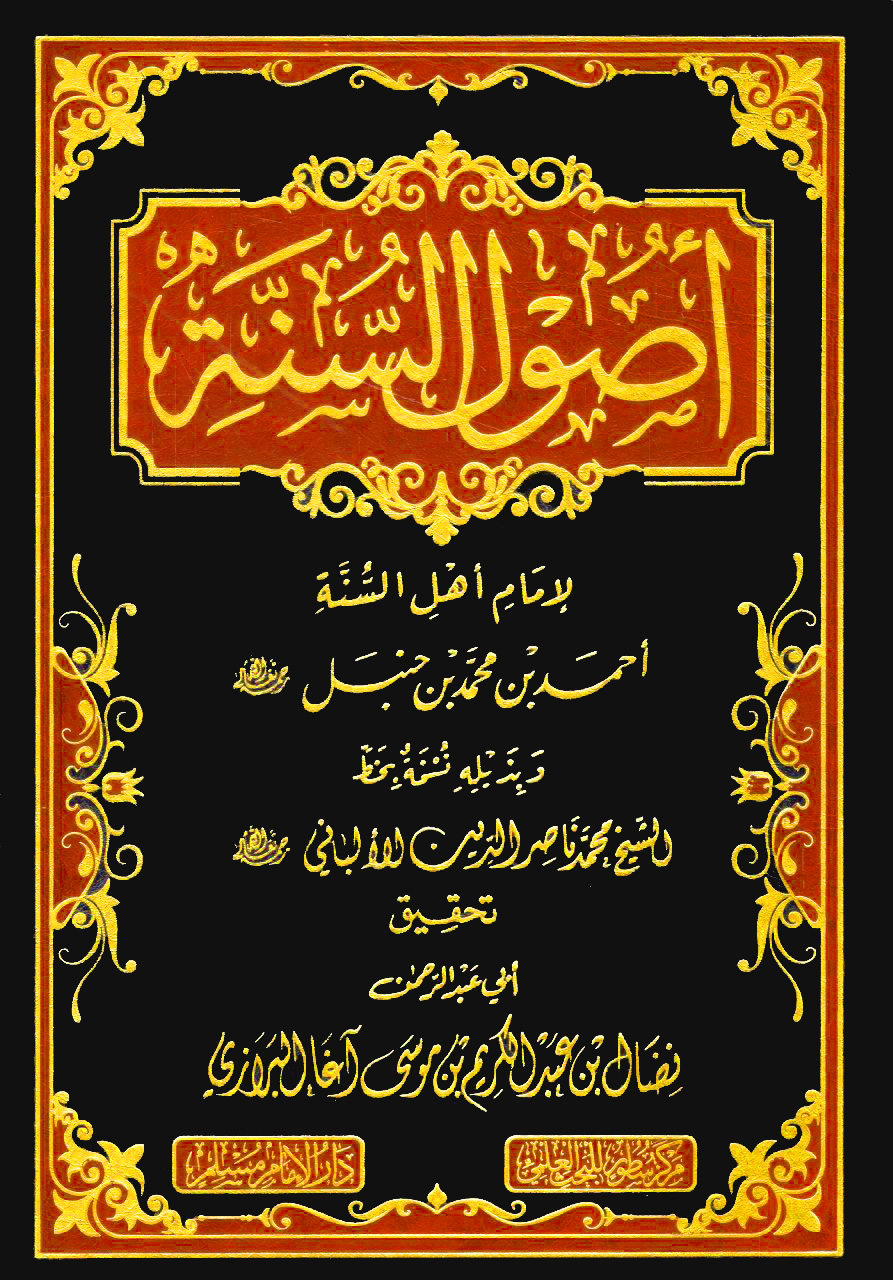
As-Sunna — A work in which he expounds the foundations of the belief of Ahl as-Sunna.
Kitab az-Zuhd — On asceticism and renunciation of this worldly life.
His death: He died on Friday, 12 Rabi' al-Awwal 241 H in Baghdad, at the age of 74-75 years. Historians report that his funeral was attended by 800,000 men and 60,000 women, and that 20,000 Christians and Jews converted to Islam that day. May Allah grant him His vast mercy and admit him to Firdaws al-A'la.
His legacy: Imam Ahmad ibn Hanbal is much more than the founder of a school of fiqh. He is the imam of the Sunna, the one through whom Allah preserved the authentic 'aqida of this Umma at a time when it was on the verge of being altered by political power. His doctrine influenced major scholars such as Sheikh al-Islam Ibn Taymiyya (may Allah have mercy on him) and all those who came after him on the path of the Salaf. His example of patience, steadfastness, and tawakkul in the face of trial remains a model for every Muslim until the Day of Judgment. He embodies the saying of the Prophet (peace and blessings be upon him): "The best jihad is a word of truth in the face of an unjust ruler."